Metal-on-metal
Adept
The metal-on-metal predecessor to ReCerf, with the longest mainstream registry record. Offered today for active men with larger native heads.
Adept detail →ReCerf is the all-ceramic hip resurfacing system that MatOrtho developed on the foundations of the proven Adept geometry. The femoral component is a press-fit BIOLOX delta cap that reshapes and covers the worn surface of the femoral head. The acetabular component is a BIOLOX delta ceramic insert seated within an HA-coated titanium cup that achieves biological fixation in bone. The bearing surfaces, where the cap and cup articulate, are both ceramic.
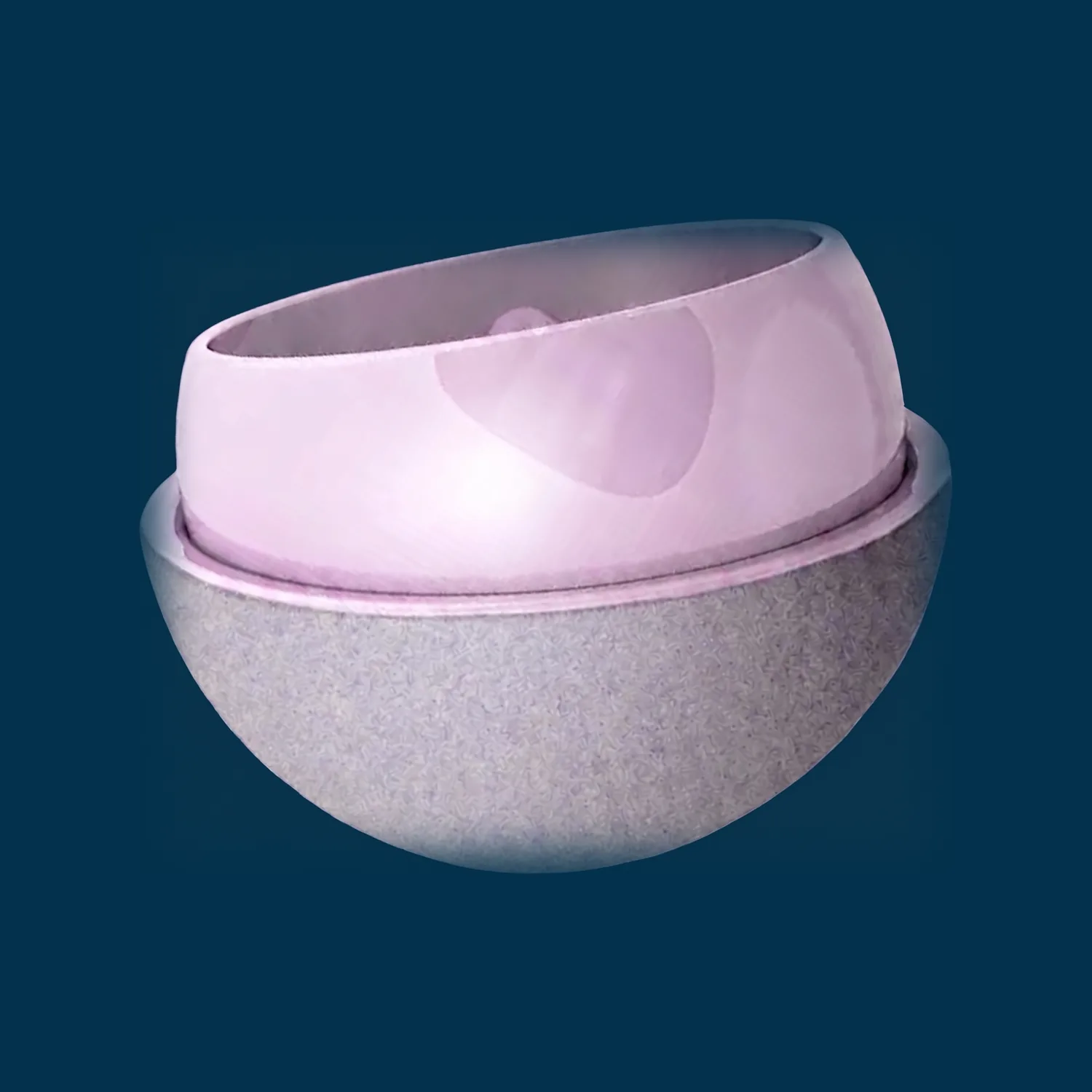
The ReCerf femoral cap and acetabular cup — the ceramic-on-ceramic resurfacing system from MatOrtho.
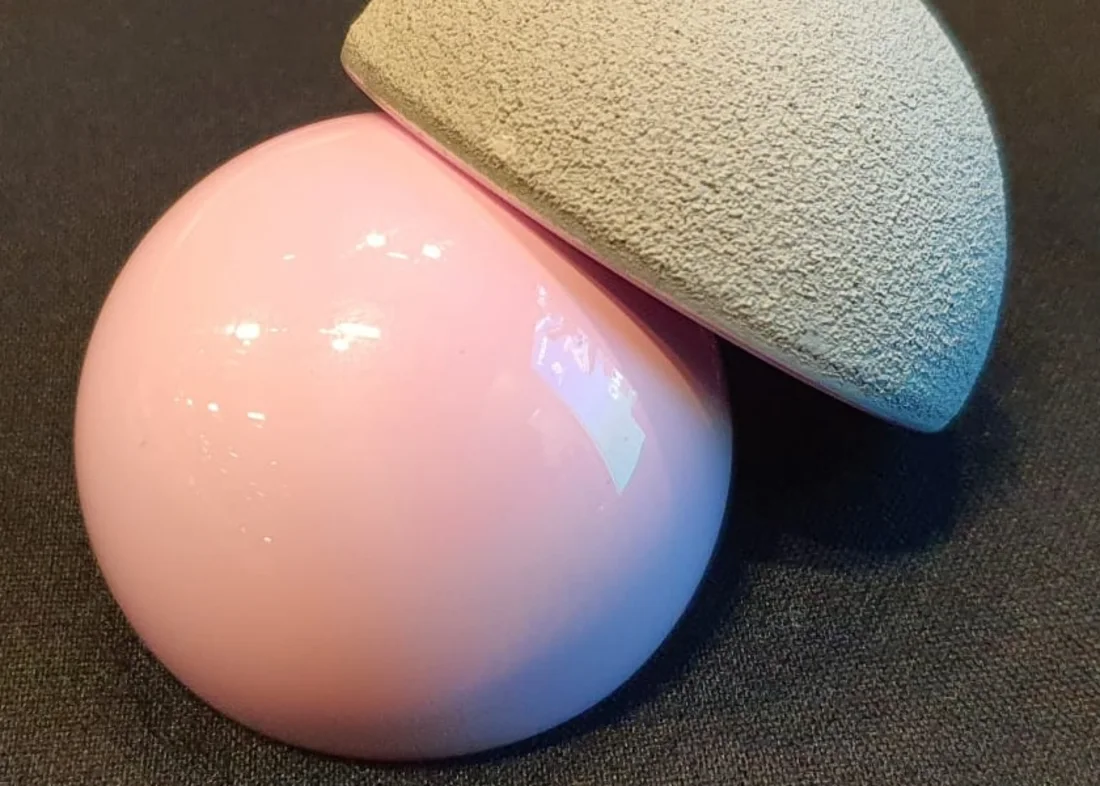
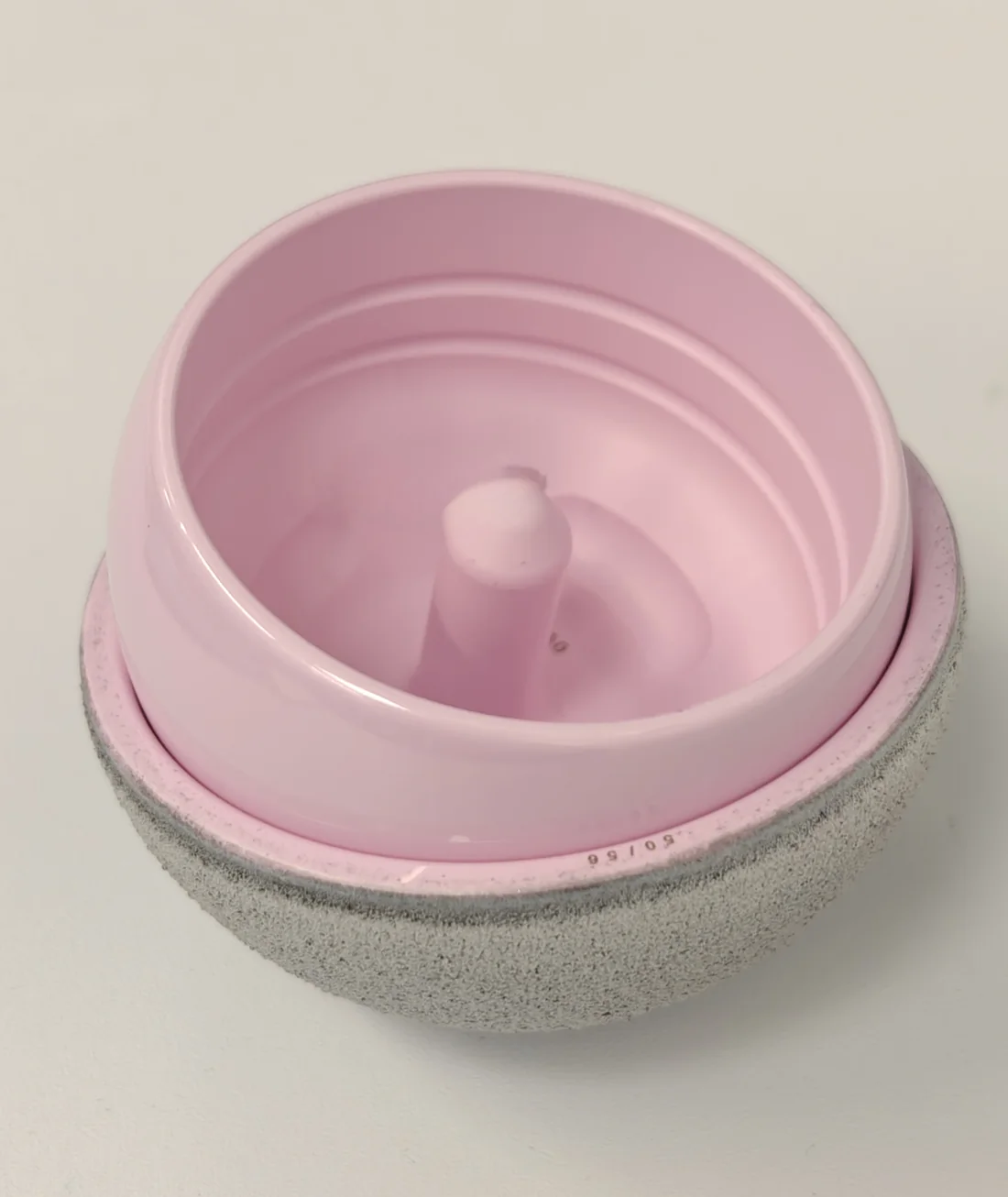
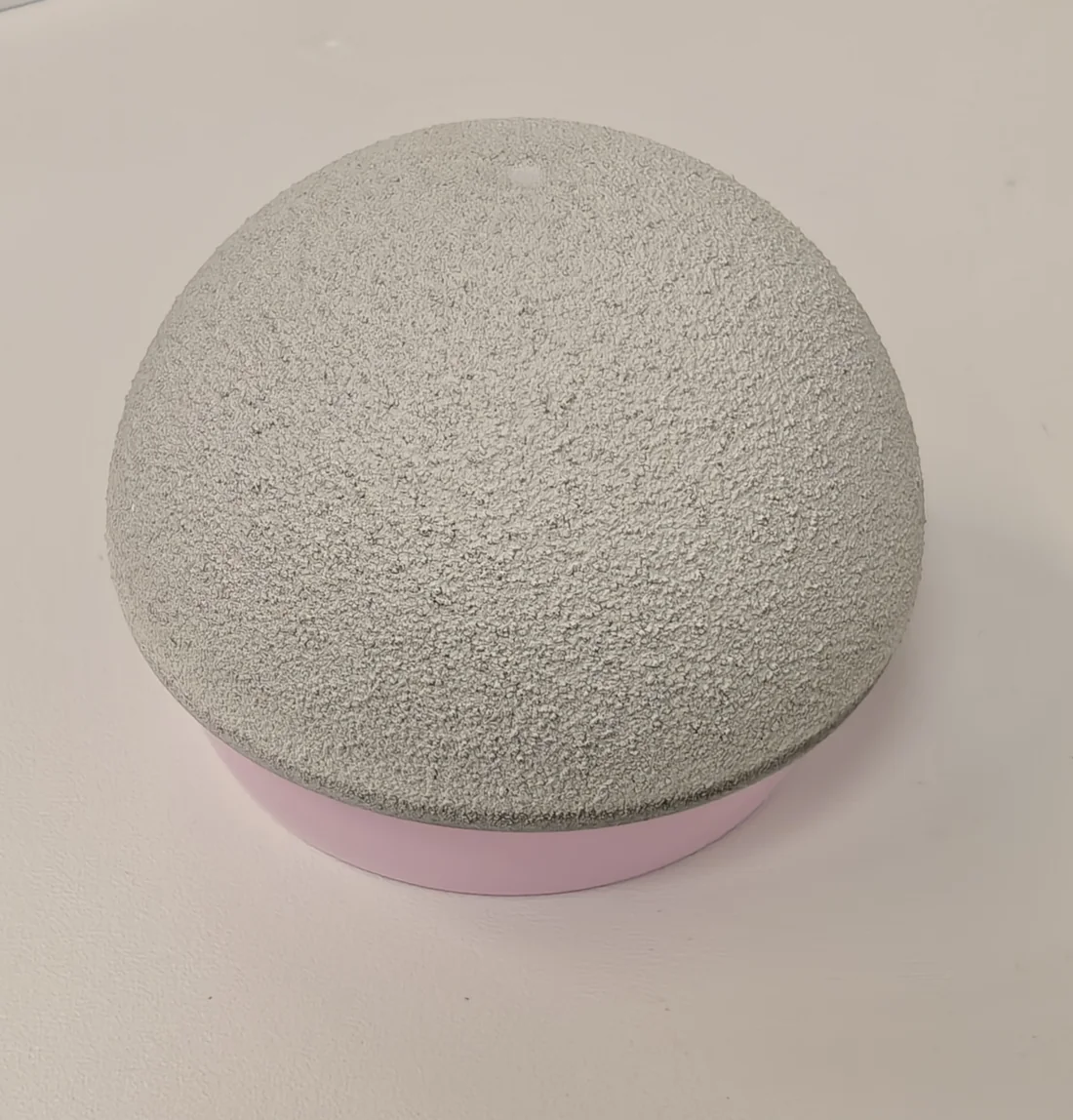
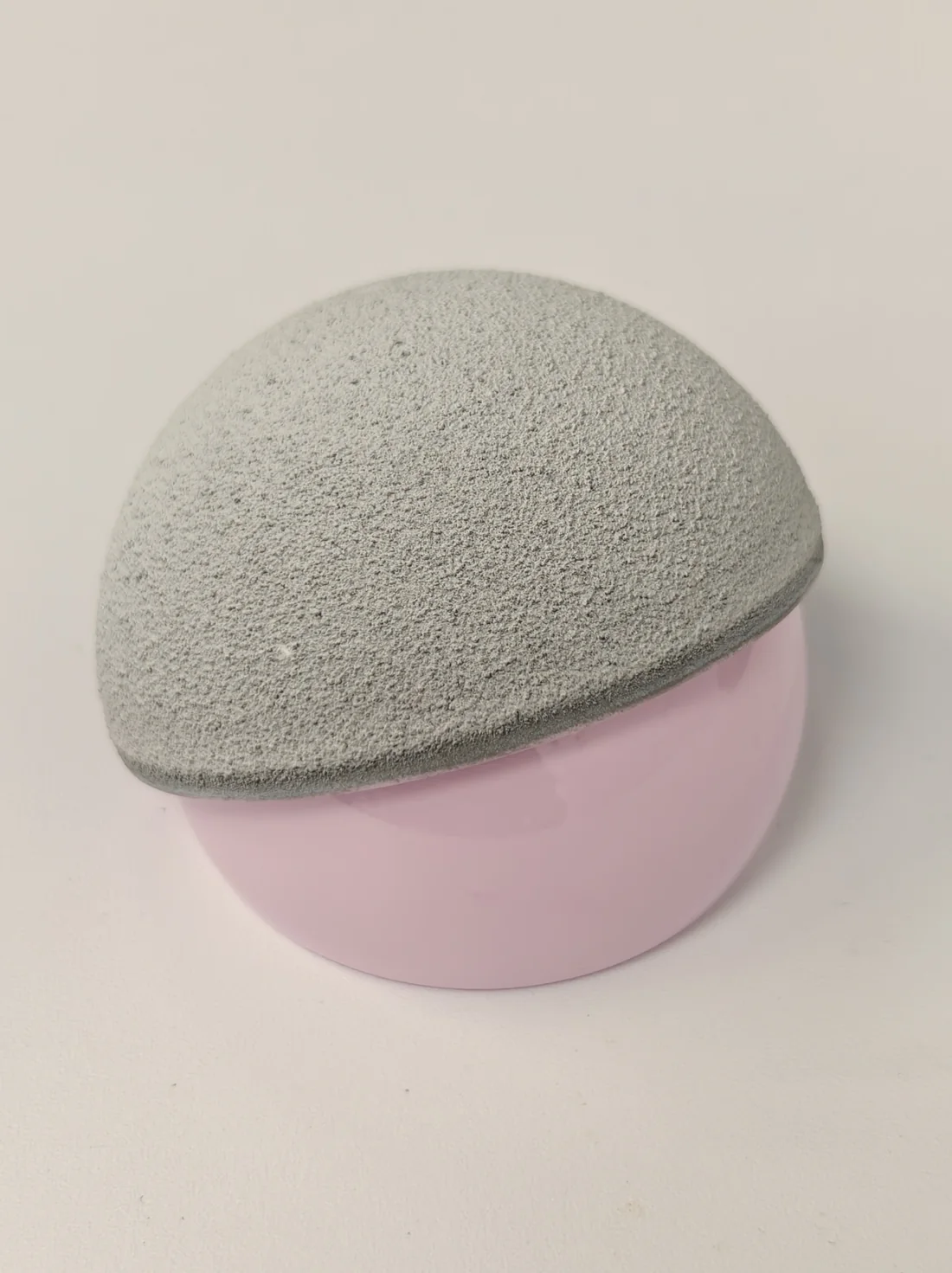
BIOLOX delta is a zirconia-toughened alumina composite. As a bearing surface, it produces some of the lowest wear of any artificial joint, and crucially it releases no cobalt or chromium. The clinical implications are direct. Patients with a ReCerf do not require the lifelong metal-ion surveillance that comes with metal-on-metal implants. The bearing question that defined the metal-on-metal era is, for this system, resolved.
For the majority of patients suitable for hip resurfacing today, ReCerf is the default bearing in clinic. The ceramic chemistry removes the surveillance burden of metal-on-metal, the wear data is excellent, and the geometry is the well-understood Adept architecture, which is the longest-running family in modern resurfacing.
The contrast with the metal-on-metal era is important. Sex, age and concerns about future pregnancy, which historically pushed many patients away from resurfacing entirely, no longer carry the same weight. With ReCerf, the conversation is about anatomy and activity, not about the bearing chemistry.
ReCerf was first implanted in 2018 and received its CE mark in 2024 following the accumulation of multicentre outcomes evidence. The decision to gather meaningful clinical data before broad commercial release is one of the things that distinguishes the ceramic era from the metal-on-metal era; it is also one of the reasons patients can be confident in the bearing as it sits in 2026.
Multicentre two-year results were published in 2024 and five-year results in 2025. Both report low revision rates, high patient-reported outcome scores and a complications profile that compares favourably with conventional hip arthroplasty at matched follow-up. The published cohorts include around 600 patients across international centres, with a substantial proportion of female patients, which is one of the most clinically meaningful changes the ceramic era has brought.
The ten- and fifteen-year endpoints, which ODEP ratings are anchored to, will accrue in the years ahead. The trajectory of the current data is encouraging; what remains is for time to confirm it. For patients who value the longest documented track record above all, Adept retains the longer registry record. For patients who prioritise the bearing chemistry, ReCerf is the considered choice.
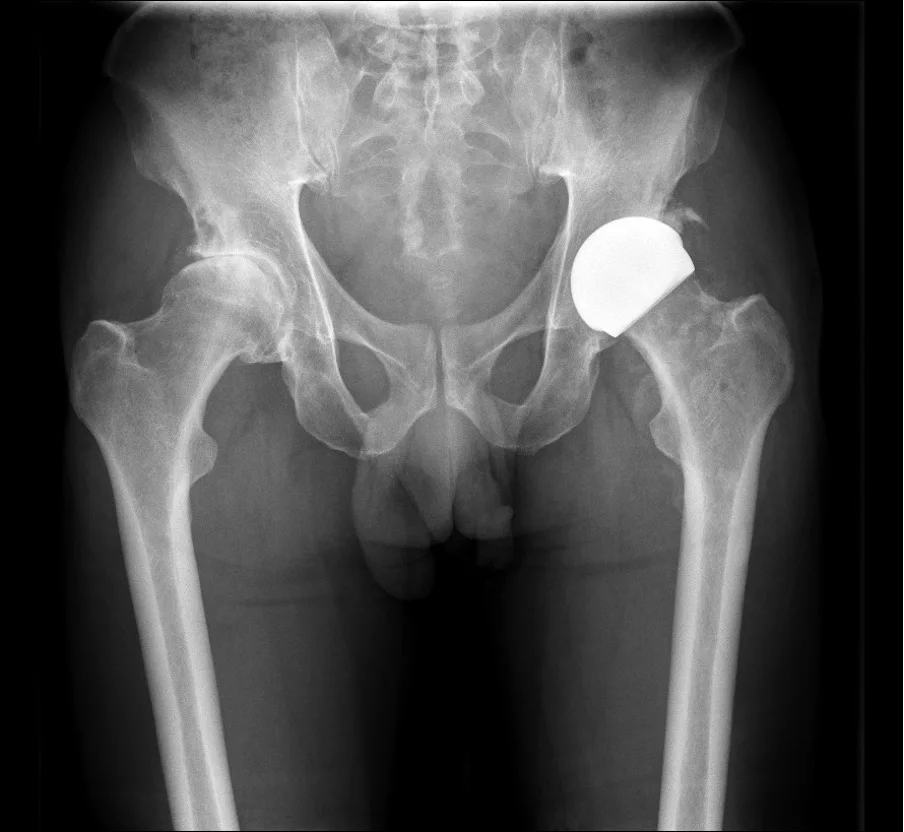
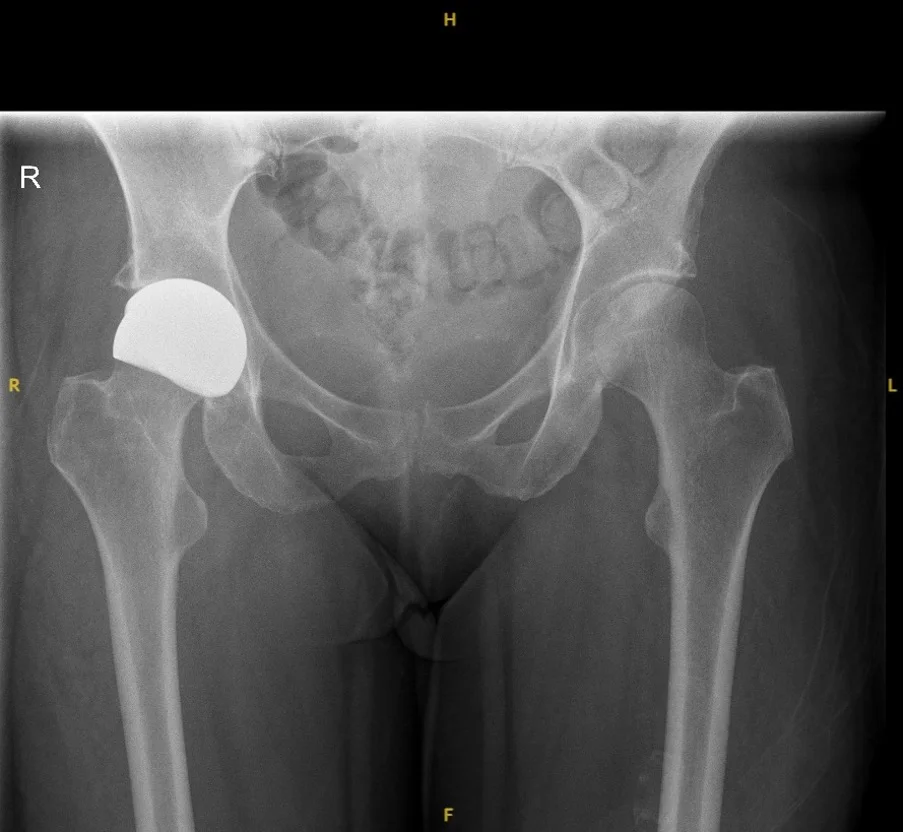
These are X-rays of ReCerf ceramic-on-ceramic hip resurfacing cases performed by Mr Hussain. In each, an arthritic hip with lost joint space is restored with a ReCerf resurfacing cap, preserving the femoral head and neck.
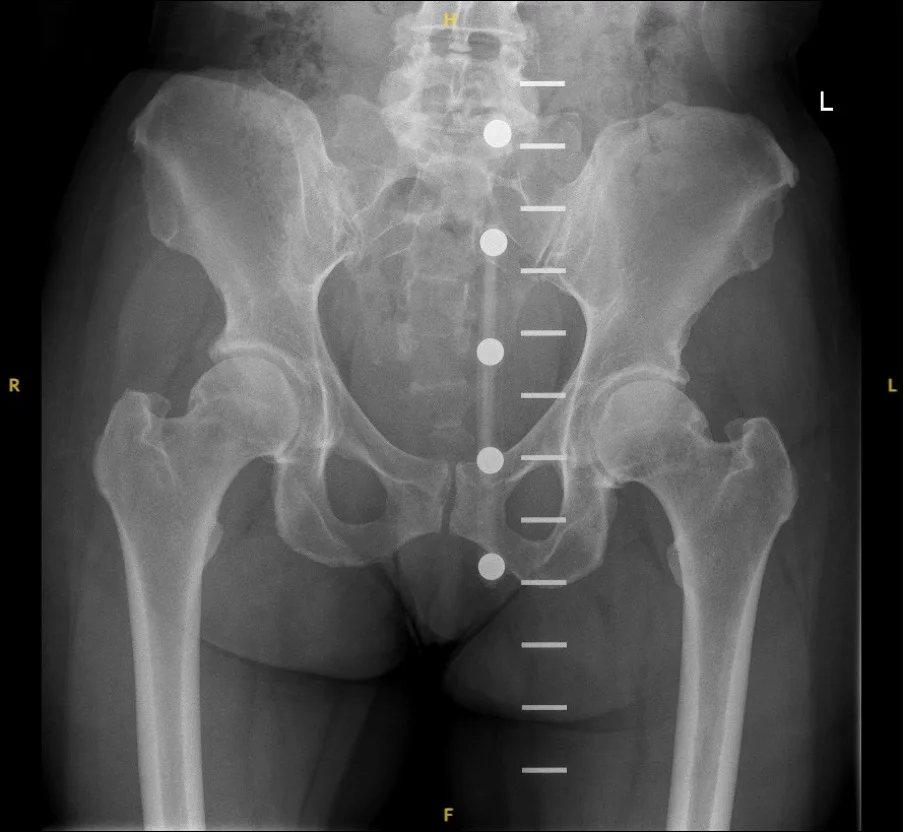 Before
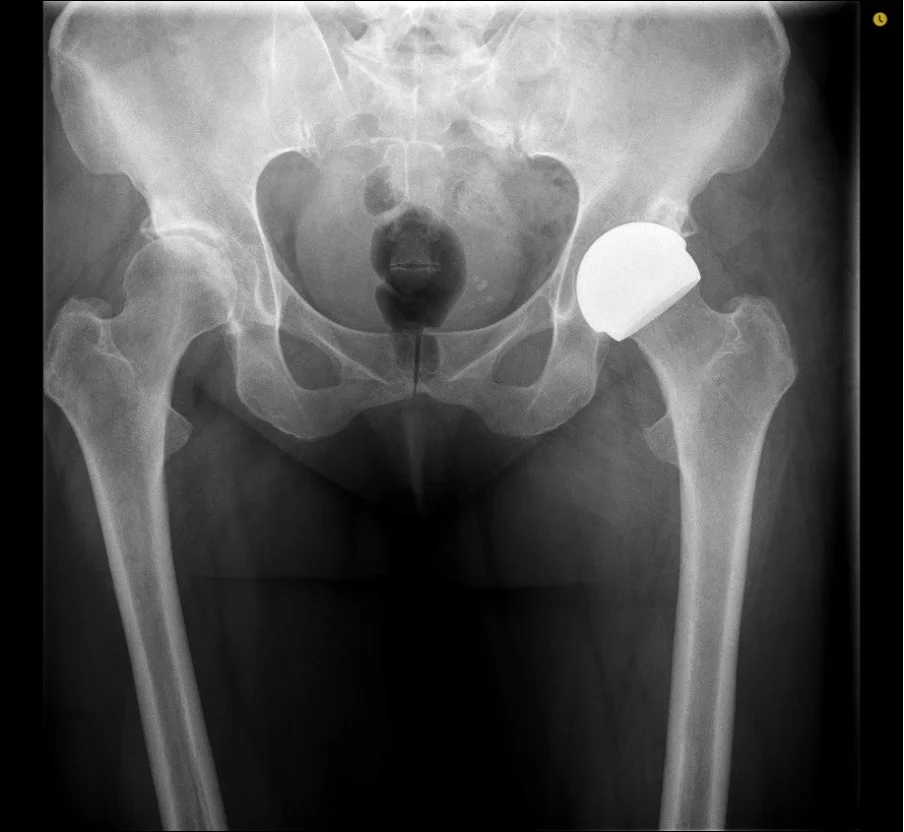 After
After
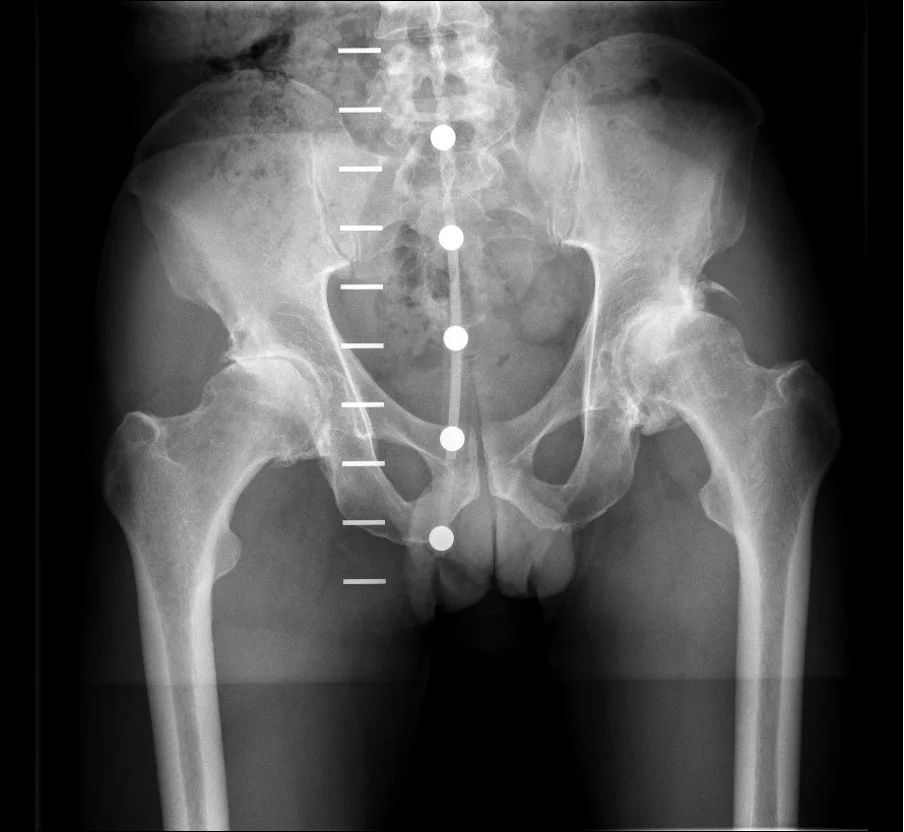 Before
 After
After
ReCerf is the ceramic-on-ceramic resurfacing offered here, and for most patients it is the right choice. It pairs the ceramic bearing chemistry that resolves the metal-on-metal concerns with the geometry of the longest-running modern resurfacing family, and it suits patients across the range of native head sizes. Where the patient could equally have a metal-on-metal bearing, ReCerf is the more cautious modern choice; H1 is a newer ceramic option in the field. The conversation in clinic settles the bearing.
The metal-on-metal predecessor to ReCerf, with the longest mainstream registry record. Offered today for active men with larger native heads.
Adept detail →The British ceramic resurfacing developed at Imperial College London and made by Embody. A newer ceramic option in the field.
H1 detail →Ceramic-on-ceramic means the bearing surfaces of the implant are made from medical-grade ceramic rather than cobalt-chromium alloy. The practical consequences are concrete: no cobalt or chromium ions are released into the joint or the bloodstream, so the surveillance burden that comes with metal-on-metal does not apply; the wear rate is among the lowest of any artificial joint surface; and the bearing is suitable for a much wider patient profile, including women and patients with smaller native head sizes.
ReCerf was first implanted in 2018 and gained its CE mark in 2024. The international implant cohort now exceeds 600 patients across multiple centres, with peer-reviewed two-year and five-year outcomes published in 2024 and 2025. By the standards of a new ceramic resurfacing system, this is a strong evidence base, though shorter than the registry history available for Adept.
Multicentre two-year results were published in 2024 and five-year results in 2025, both reporting low revision rates and high patient-reported outcome scores. The published cohorts include a substantial proportion of female patients, which is one of the most clinically meaningful changes ceramic resurfacing has brought. Long-term ten- and fifteen-year data will accrue in the coming years; the current trajectory is encouraging.
BIOLOX delta is a zirconia-toughened alumina composite engineered for joint replacement; it is far stronger than the early-generation ceramics that gave the technology its historical reputation for fracture. Bearing fracture in modern hip arthroplasty is a rare event, measured in fractions of a percent over long follow-up. In a hip resurfacing, where the ceramic cap is supported by underlying bone, the risk is correspondingly low. It is not zero, and is part of any honest consent conversation.
Yes. The ceramic bearing removes the cobalt and chromium concerns that drove the historic restriction on metal-on-metal resurfacing in women, and the published outcomes cohort for ReCerf includes a substantial proportion of female patients. A dedicated page covers hip resurfacing for women in detail, including how the conversation differs between ReCerf and H1 for individual anatomy.
A private consultation with weight-bearing imaging is the most useful next step. We will talk through anatomy, activity and bearing choice, and tell you, on your own hip, whether ReCerf is the right answer.
Book a Consultation