The Implants

Three implants. One decision, made together in clinic.

Home / The Implants

An individual choice

Three Implants, One Decision

Modern hip resurfacing is no longer one operation with one bearing. Three implants define the field today, each developed for a different patient profile, each backed by a different body of evidence. Adept and the ceramic-on-ceramic ReCerf are the long-established choices; H1 is a newer ceramic implant, covered here for context. The conversation has shifted from whether resurfacing is the right operation to which bearing is the right fit for an individual hip.

Two of the three are ceramic-on-ceramic, the bearing surface that resolves the cobalt and chromium concerns that defined the metal-on-metal era. The third, Adept, remains in active use for the patient profile that long-term registry data supports best: active men with larger native heads, where its long-term durability is well documented. The pages that follow set out what each implant is, what it is engineered for, and how the choice is made in clinic.

Why three, not one

No single bearing is right for every hip. Bone quality, native head size, sex, age, activity profile and life expectancy all shape the decision. Working across more than one bearing means the implant can be matched to the patient rather than the patient asked to fit the implant.

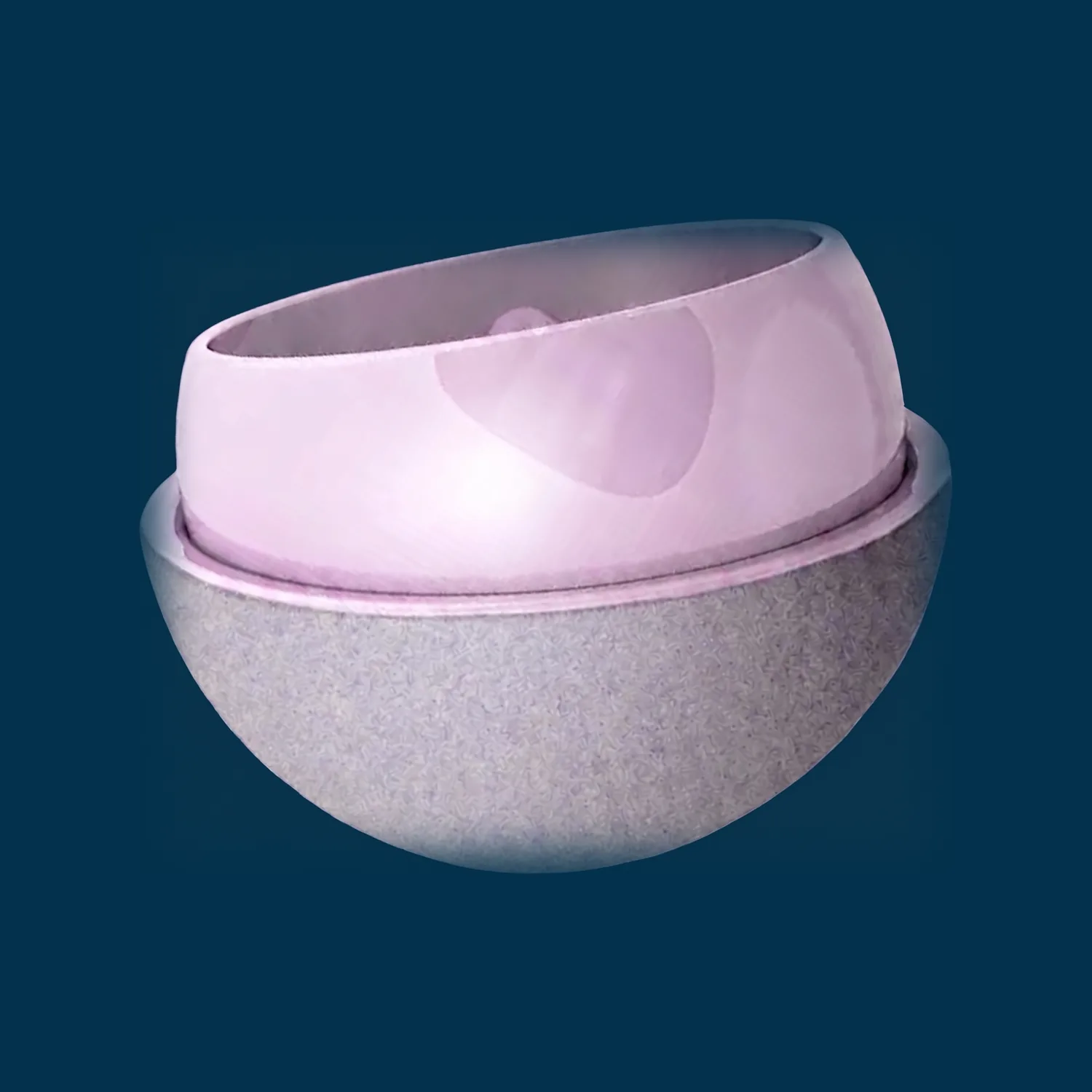
Adept metal-on-metal hip resurfacing implant by MatOrtho, photographed on a navy background
Adept · Metal-on-metal

Adept

The proven option for active men with larger native heads.

Adept is the metal-on-metal hip resurfacing system that quietly carries the longest mainstream registry record of any device still in routine use. Manufactured in the United Kingdom by MatOrtho, it is built from as-cast high-carbon cobalt-chromium and finished to the bearing tolerances that long-term studies have come to expect of a durable hip resurfacing.

It earns its place in 2026 for one specific patient profile, supported by years of data: active men with larger native femoral heads in whom the long-term outcomes from metal-on-metal resurfacing have consistently been excellent. The bearing question that complicated the wider category does not disappear in this group, but it is well understood, well surveilled and well managed.

Bearing
Metal-on-metal cobalt-chromium
Manufacturer
MatOrtho (UK)
ODEP rating
15A in men, 48 to 58 mm heads
Suited to
Active men, larger native heads
Adept in detail
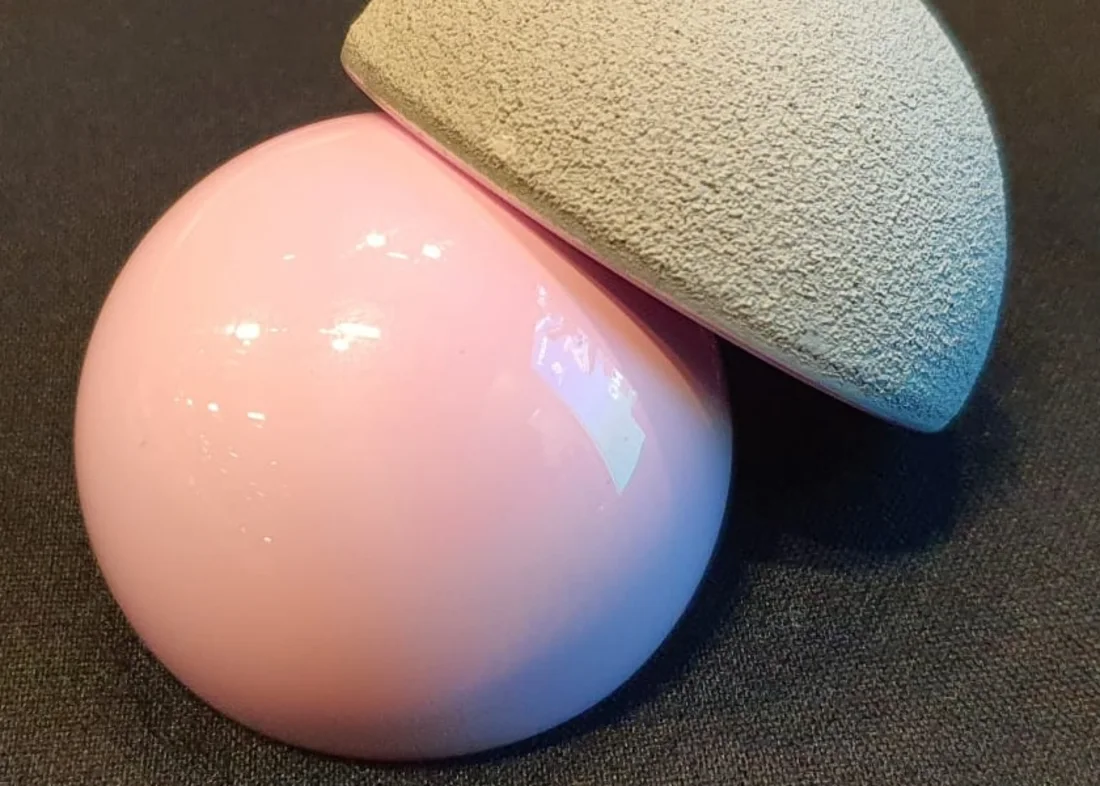
ReCerf ceramic-on-ceramic hip resurfacing implant by MatOrtho, photographed on a navy background
ReCerf · Ceramic-on-ceramic

ReCerf

Ceramic-on-ceramic. MatOrtho. The all-ceramic successor to Adept, with five-year outcomes now published.

ReCerf is the ceramic-on-ceramic resurfacing developed by MatOrtho on the foundations of the Adept geometry. The bearing is BIOLOX delta, a zirconia-toughened alumina composite that produces some of the lowest wear of any artificial joint surface, and which releases no cobalt or chromium. The cup is press-fit and HA-coated; the head is a press-fit ceramic cap.

It was first implanted in 2018, gained its CE mark in 2024, and has now reported encouraging multicentre two-year and five-year outcomes in international cohorts that include a substantial proportion of female patients. For most patients suitable for resurfacing today, ReCerf is the default ceramic bearing in clinic.

Bearing
Ceramic-on-ceramic (BIOLOX delta)
Manufacturer
MatOrtho (UK)
CE mark
2024
Suited to
Most resurfacing candidates today
ReCerf in detail
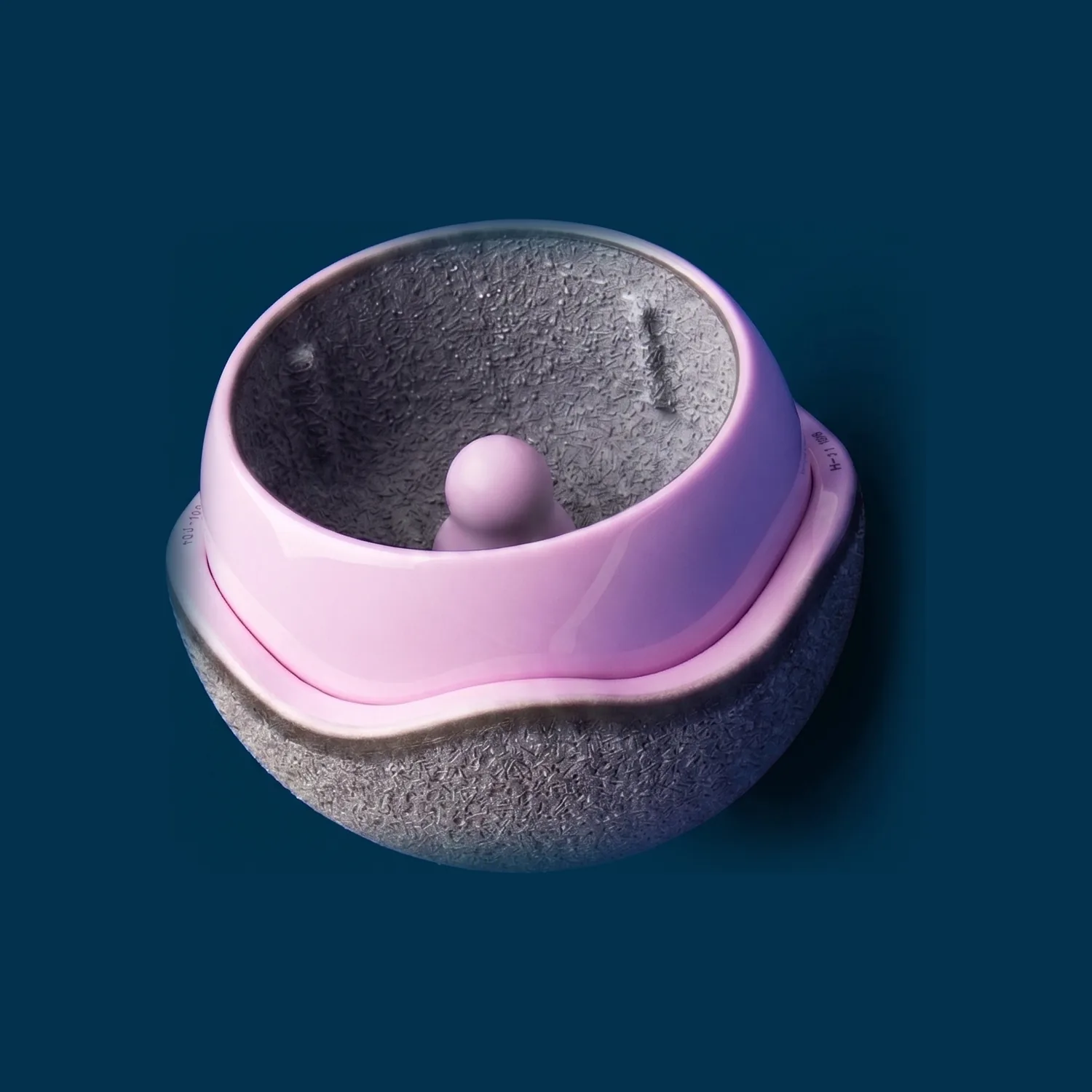
H1 ceramic-on-ceramic hip resurfacing implant by Embody, photographed on a navy background
H1 · Ceramic-on-ceramic

H1

Ceramic-on-ceramic. Embody. The British implant from Imperial College London, and the first non-metal hip resurfacing to gain regulatory approval.

H1 is the British ceramic resurfacing developed at Imperial College London with Professor Justin Cobb and manufactured by Embody. It is a monoblock BIOLOX delta design with an anatomically contoured cup and cementless titanium/hydroxyapatite fixation, suitable across the range of native head sizes.

First implanted in 2017, H1 was awarded a CE mark under the new EU Medical Device Regulation in 2025. Like ReCerf, it is a ceramic-on-ceramic resurfacing that suits women and smaller-framed patients as well as larger hips. It is a newer addition to the field, with ReCerf the more established ceramic choice.

Bearing
Ceramic-on-ceramic (BIOLOX delta)
Manufacturer
Embody (UK)
CE mark
2025, under EU MDR
Suited to
Active patients seeking a ceramic bearing
H1 in detail
Making the choice

How the Implant Is Chosen


The implant choice is made in clinic, after imaging review and a frank conversation about anatomy, activity and expectations. There is no algorithm. The factors below carry the most weight, and they often pull in different directions; the role of the surgeon is to weigh them together with the patient.

Native head size Larger heads keep the full bearing menu open, including metal-on-metal. Smaller heads point firmly toward a ceramic-on-ceramic bearing and away from metal-on-metal.
Sex and age Women and patients of child-bearing potential are routinely steered toward ceramic-on-ceramic. Younger patients of either sex with a long life ahead of the implant also benefit from a ceramic bearing's lower wear.
Activity goals Running, racquet sports and similar high-impact pursuits are realistic on any of the three; the bearing choice influences long-term wear surveillance, not whether the activity is permitted.
Bone quality Osteoporotic or cystic bone in the femoral head is a contraindication to resurfacing of any kind. Where the bone supports it, the bearing choice is independent.
Track-record preference Some patients prefer the longest registry record available; others prefer the newest bearing chemistry. Both are reasonable starting points for the conversation.
Surveillance comfort Metal-on-metal implants require lifelong cobalt and chromium ion monitoring under MHRA guidance. Ceramic-on-ceramic implants do not. For some patients this is decisive.

The single most useful step is a private consultation with weight-bearing imaging. The conversation then covers the bearing options on the table, and the right one usually becomes clear within it.

Book a Consultation
For women considering resurfacing

Hip Resurfacing for Women


The arrival of ceramic-on-ceramic resurfacing has reopened a conversation that had largely closed for women during the metal-on-metal years. ReCerf and H1, in particular, have changed the candidacy picture for many women previously advised against resurfacing. A dedicated page sets out what has changed and what it means in practice.

Read: Hip Resurfacing for Women
Next Step

Talk Through Your Options


A private consultation with imaging review is the most useful next step. We will talk through anatomy, activity and bearing options, and you will leave with a clear sense of which implant suits your hip and your life.

Book a Consultation