
Hip Resurfacing for Women

Ceramic-on-ceramic resurfacing has reopened a conversation that had largely closed for women during the metal-on-metal years.

Home / Hip Resurfacing for Women

June 2026 · New Article The Year Hip Resurfacing Reopened for Women →
What changed

From Closed to Reopened

For roughly a decade, hip resurfacing was, in practice, not offered to most women. The reasons were grounded in good data. National Joint Registry analyses through the late 2000s and 2010s consistently showed that women had higher revision rates after metal-on-metal resurfacing than men, with the predicted five-year revision rate in a 55-year-old woman approaching one in twelve. NICE Technology Appraisal Guidance 304 reflected this. By 2015, Smith & Nephew had voluntarily withdrawn the smaller-head Birmingham implants and recommended that the system no longer be used in women.

The drivers were specific. Women, on average, have smaller native femoral heads than men, and smaller heads mean smaller bearing diameters; smaller bearings carry higher wear at the metal-on-metal interface and produce more cobalt and chromium debris. For women of child-bearing age, the metal-ion exposure was of particular concern. The combination of factors made resurfacing the wrong operation for most women in the metal-on-metal era, and the profession adjusted.

What the ceramic era changes

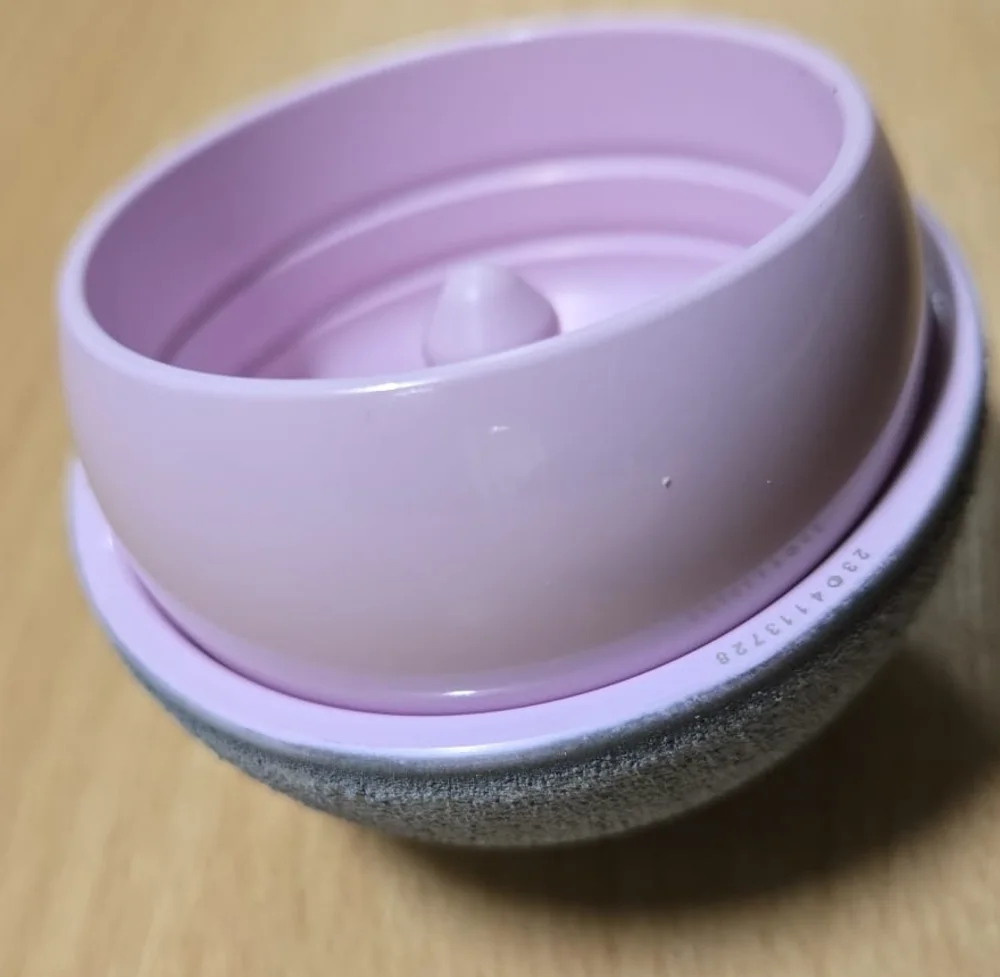
The arrival of ceramic-on-ceramic resurfacing has unwound each of the specific concerns that drove the historic restriction. BIOLOX delta ceramic bearings release no cobalt or chromium, removing the metal-ion exposure entirely. They also produce some of the lowest wear of any artificial joint surface, which is particularly valuable to younger patients with decades of bearing ahead of them. And ceramic resurfacing covers the range of native head sizes that the metal-on-metal era could not, including the smaller heads that ruled many women out.

The cumulative effect is that women, smaller-framed men, and patients of child-bearing potential can now be considered for hip resurfacing on the same terms as anyone else: on the strength of their anatomy, bone quality and activity goals. The bearing chemistry no longer rules them out. The approvals and hospital adoption behind this shift are charted in our article on ceramic hip resurfacing in Birmingham.

In the clinic

How the Conversation Looks Now

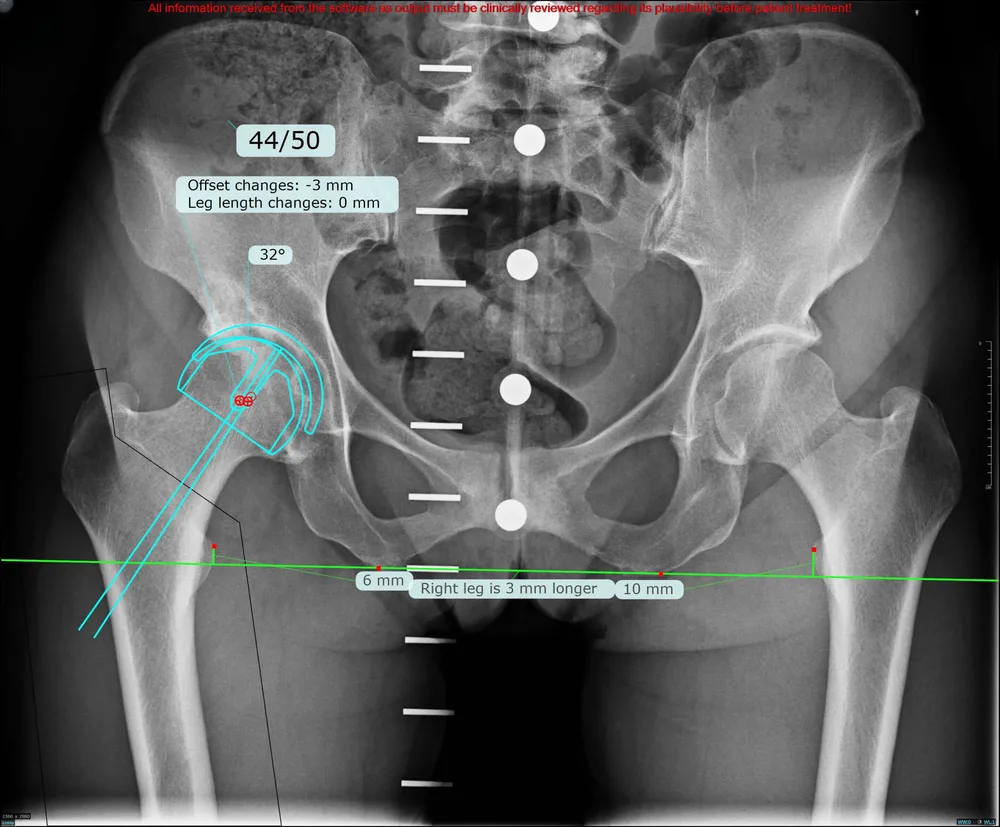
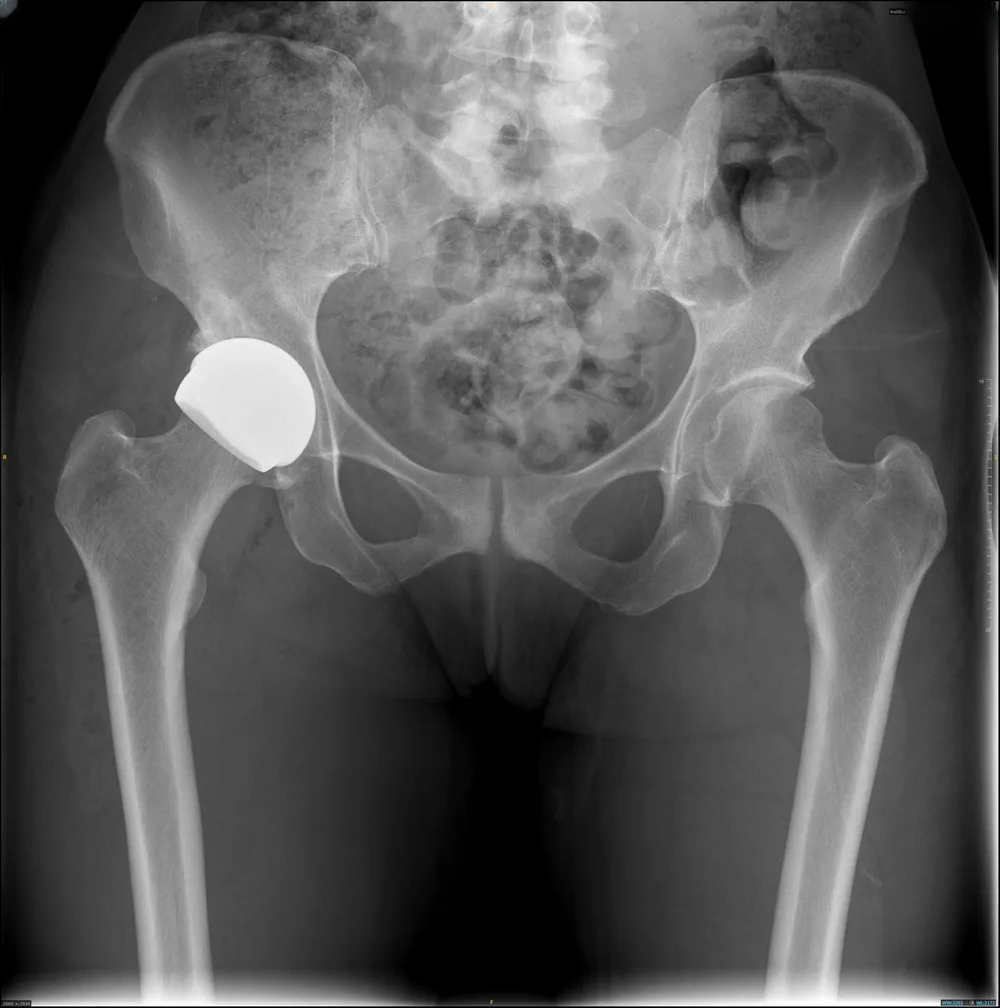
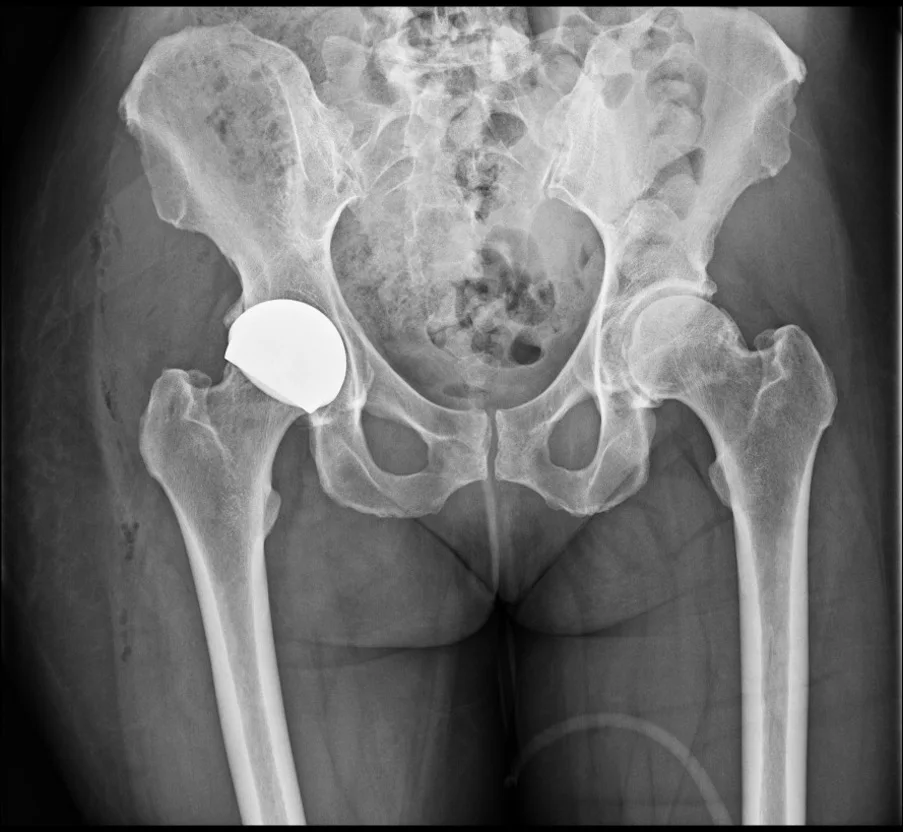
For a woman considering hip resurfacing in 2026, the consultation looks much like the consultation for any active patient with end-stage hip osteoarthritis. Weight-bearing imaging is reviewed; native head size, bone quality and joint geometry are assessed; activity goals and life expectancy of the implant are discussed; and the bearing choice is settled on the basis of the imaging in front of us.

Some practical reassurances that come up most often:

The conversation is, in the end, the same conversation as for any well-selected resurfacing candidate. The historic complications that once made it a different conversation no longer apply.

This is no longer theoretical. The Royal Orthopaedic Hospital has reported its first female ceramic hip resurfacing patient, operated on by Mr Shakir Hussain; how she weighed the decision and what recovery has really been like are told in her patient story.

By implant

What Each Implant Means for Women

The three implants in the field carry meaningfully different positions for women. The brief view below sits alongside the full implant overview for context.

Metal-on-metal

Adept

Not Offered

Adept is a metal-on-metal implant and is not offered to women in this practice. The cobalt and chromium exposure concerns that drove the historic restriction on metal-on-metal resurfacing in women remain valid for Adept.

Adept detail →
Ceramic-on-ceramic

ReCerf

Offered

ReCerf is the ceramic-on-ceramic resurfacing offered to women at this practice, suitable across the range of native head sizes. The published five-year outcomes cohort includes a substantial proportion of female patients with low revision rates. For women choosing ceramic resurfacing here, ReCerf is the implant used.

ReCerf detail →
Ceramic-on-ceramic

H1

In the Field

H1 is the British ceramic-on-ceramic resurfacing developed at Imperial College London and made by Embody, also suitable for women across the range of native head sizes. It is a newer ceramic option in the field, with ReCerf the more established choice.

H1 detail →

Both ReCerf and H1 are ceramic-on-ceramic options suitable across the size range; at this practice the ceramic resurfacing offered to women is ReCerf, and the decision is settled on imaging in clinic, where the right answer usually becomes clear in the consultation.

Pregnancy and child-bearing

The Question That Used to Close the Conversation

One of the strongest reasons women were steered away from hip resurfacing in the metal-on-metal era was concern about cobalt and chromium exposure during pregnancy. Maternal ion levels with a metal-on-metal hip can cross the placenta, and the long-term implications for the developing fetus were never fully characterised. For any woman with the option of avoiding that exposure entirely, avoiding metal-on-metal was the right call.

The ceramic era removes the concern. BIOLOX delta ceramic bearings release no cobalt or chromium. A woman with a ReCerf or H1 ceramic resurfacing carries no implant-related metal-ion exposure into pregnancy, and there is no implant-related reason not to consider pregnancy at any time after recovery from surgery. Vaginal delivery is not contraindicated. The obstetric care of a woman with a ceramic hip resurfacing is, in practice, no different from the obstetric care of a woman without one.

Patients planning pregnancy after resurfacing often ask about timing of the surgery itself relative to pregnancy. The conservative position is to allow full recovery and return to a stable activity baseline, typically six to twelve months from surgery, before pursuing pregnancy. There is no fixed rule; the timing is settled with the surgeon and the wider clinical team.

Questions

Questions Women Ask About Hip Resurfacing

Can women have hip resurfacing in 2026?

Yes. The arrival of ceramic-on-ceramic resurfacing has reopened the operation for women. ReCerf is the ceramic resurfacing offered here, using a BIOLOX delta ceramic bearing that releases no cobalt or chromium; H1 is a further ceramic option in the field. The cobalt and chromium concerns that drove the historic restriction on metal-on-metal resurfacing in women do not apply to ceramic implants. Candidacy is assessed on anatomy, bone quality and activity goals, as it is for any resurfacing patient.

Why were women advised against hip resurfacing in the past?

In the metal-on-metal era of the 2000s and early 2010s, women were observed to have meaningfully higher revision rates than men. The dominant drivers were smaller native femoral heads, smaller bearing diameters, and cobalt and chromium ion exposure of particular concern in women of child-bearing age. National Joint Registry data and NICE guidance reflected this, and metal-on-metal resurfacing was effectively restricted to active men with larger native heads. None of these constraints apply to modern ceramic-on-ceramic implants.

Is ceramic-on-ceramic genuinely safer for women?

Yes, with respect to the specific concerns that mattered most. Ceramic bearings release no cobalt or chromium, which removes the metal-ion exposure that was the single biggest issue for women in the metal-on-metal era. Published outcomes data on ReCerf includes a substantial proportion of female patients with low revision rates at five years. Ceramic-on-ceramic resurfacing is designed around the problem that drove the historic restriction, and suits women across the range of native head sizes.

Can I still consider hip resurfacing if I want to have children?

Yes. The metal-ion concern in women of child-bearing age was specific to metal-on-metal bearings. Ceramic-on-ceramic implants release no cobalt or chromium and therefore do not raise the same concerns. Pregnancy after hip resurfacing is well documented, and there is no contraindication to vaginal delivery in patients with a well-functioning resurfaced hip. The conversation in clinic covers timing, recovery and any specific obstetric considerations.

I am under 40 and active. Is hip resurfacing realistic for me?

For an active woman under 40 with end-stage hip arthritis, ceramic-on-ceramic resurfacing is often the most appropriate operation. Bone preservation is particularly valuable at younger ages because the upper femur is conserved for any future revision; the low-wear ceramic bearing compounds advantage over decades; and the return to higher-impact activity is realistic. Imaging review and a frank conversation about anatomy, activity and life expectancy are the right starting point.

Should I choose ReCerf or H1?

At this practice the ceramic resurfacing offered is ReCerf. Both are ceramic-on-ceramic implants with the same BIOLOX delta bearing chemistry, and both suit women across the range of native head sizes; they differ chiefly in heritage, with H1 developed at Imperial College London and ReCerf built by MatOrtho on the proven Adept geometry. The decision is made on imaging in clinic.

Next Step

Have Your Hip Reviewed


A private consultation with imaging review is the most useful next step. We will tell you, plainly, whether hip resurfacing is the right operation for you, which of the two ceramic implants suits your anatomy, and what realistic recovery looks like.

Book a Consultation