
Typical milestones for well-selected resurfacing patients. Your own plan is set in consultation and adjusted by your physiotherapist as you progress.
Two clocks run after any hip operation, and they run at different speeds. The first is biological: bone remodels around the implant, soft tissue heals, and that process keeps its own schedule no matter how motivated you are. The second is conditioning: the strength, balance and movement patterns that arthritis quietly eroded, often over years, have to be rebuilt before impact sport is sensible. Patients are nearly always limited by the second clock, not the first.
What makes this conversation different after hip resurfacing is the ceiling. Because the femoral head and neck are preserved and the bearing is close to the size of your natural hip ball, the destination includes impact sport — running among it — rather than the cautious "low-impact only" advice that often follows a conventional hip replacement. The timeline below exists to get you to that ceiling without tripping on the way.
Every timeline in this article is a guide, not a gate. What actually moves you from one phase to the next is meeting criteria: walking without a limp before you cycle outdoors; managing a brisk forty-five minute walk comfortably before you attempt a run-walk interval; a settled, pain-free hip at each new load before the load increases again. A patient who meets the criteria early moves early. A patient who needs longer takes longer, and loses nothing by it.
This is also why two patients with the same operation on the same day can be a month apart by autumn — and why neither of them is "behind". Recovery after resurfacing is reliably good; it is simply not identical.
The quietest phase and the one that sets up all the others. Wound healing, swelling control, and a steady progression from crutches to confident walking. Most patients are driving short distances and back at desk-based work by the end of it. The discipline here is restraint: the hip often feels better than it is.
Gate to phase 2: walking unaided, wound fully healed, no night pain.
Low-impact volume. The stationary bike comes first, swimming once the wound has fully sealed, outdoor cycling on flat ground from around week eight to ten. Gym work resumes with a physiotherapist's blessing — leg press, step-ups, hip abduction strength — and golfers are usually swinging again before the phase is out. Walks get longer and hillier.
Gate to phase 3: no limp at brisk walking pace, single-leg balance restored, comfortable 45-minute walk.
The phase runners care about. For selected patients, run-walk intervals begin on soft, forgiving ground — grass, trail or treadmill — alternating a minute of easy jogging with walking, and growing the running share week by week. Hiking with real ascent, doubles tennis and longer rides return here, and patients targeting a ski season are usually managing groomed pistes towards the end of this window.
Gate to phase 4: 20–30 minutes of continuous easy running, hip quiet during and the morning after.
Continuous running builds towards normal training; racquet sports go back to singles; climbing, martial arts and full skiing return. Most patients are back in their chosen sport during this window, and the limiting factor by now is almost always fitness and technique, not the hip. Race entries are realistic at the far end of it.
Gate to phase 5: training load at or near your pre-arthritis normal without reaction.
By twelve months the hip is as good as it is going to be — which, for most resurfacing patients, means good enough that it stops featuring in decisions. What protects it from here is what protects every athlete's joints: strength work, sensible load progression, and not doing a season's training in a fortnight.
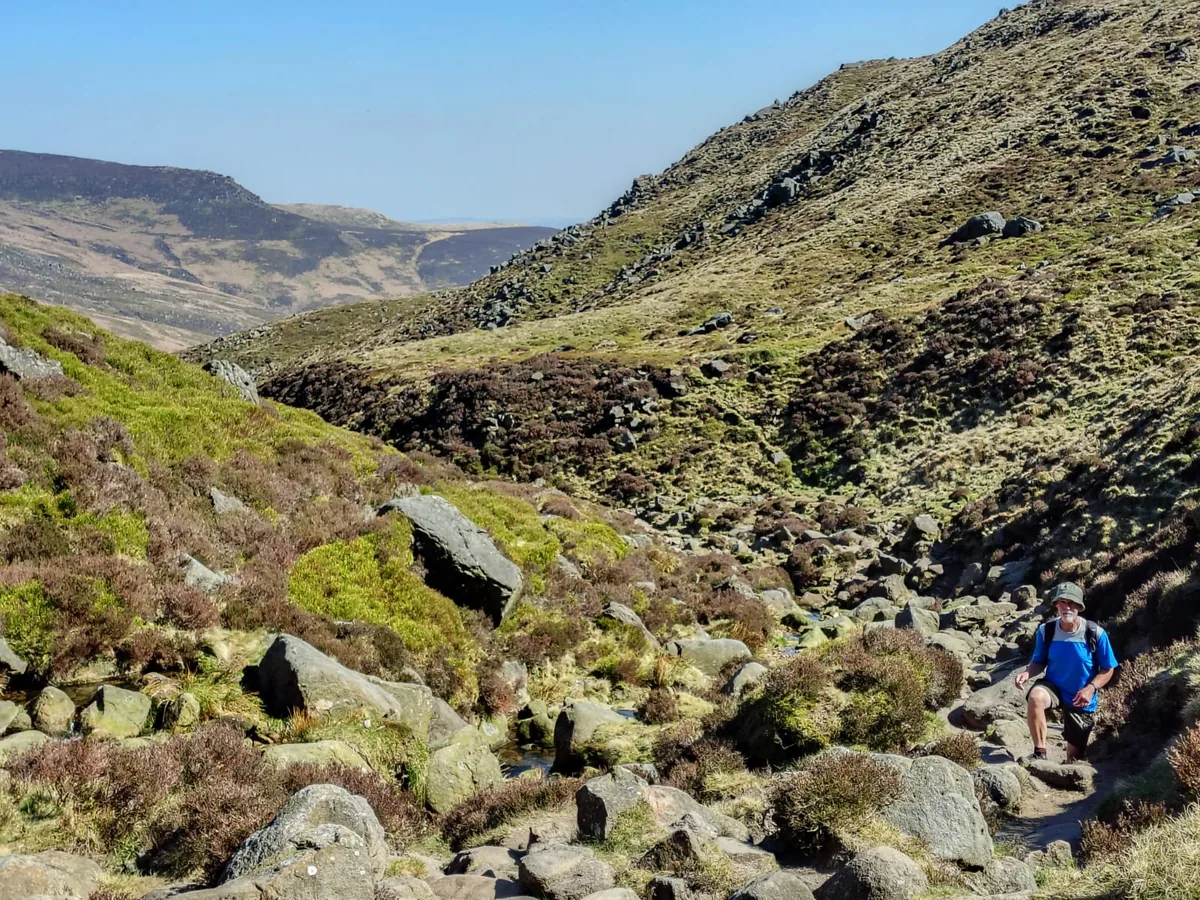
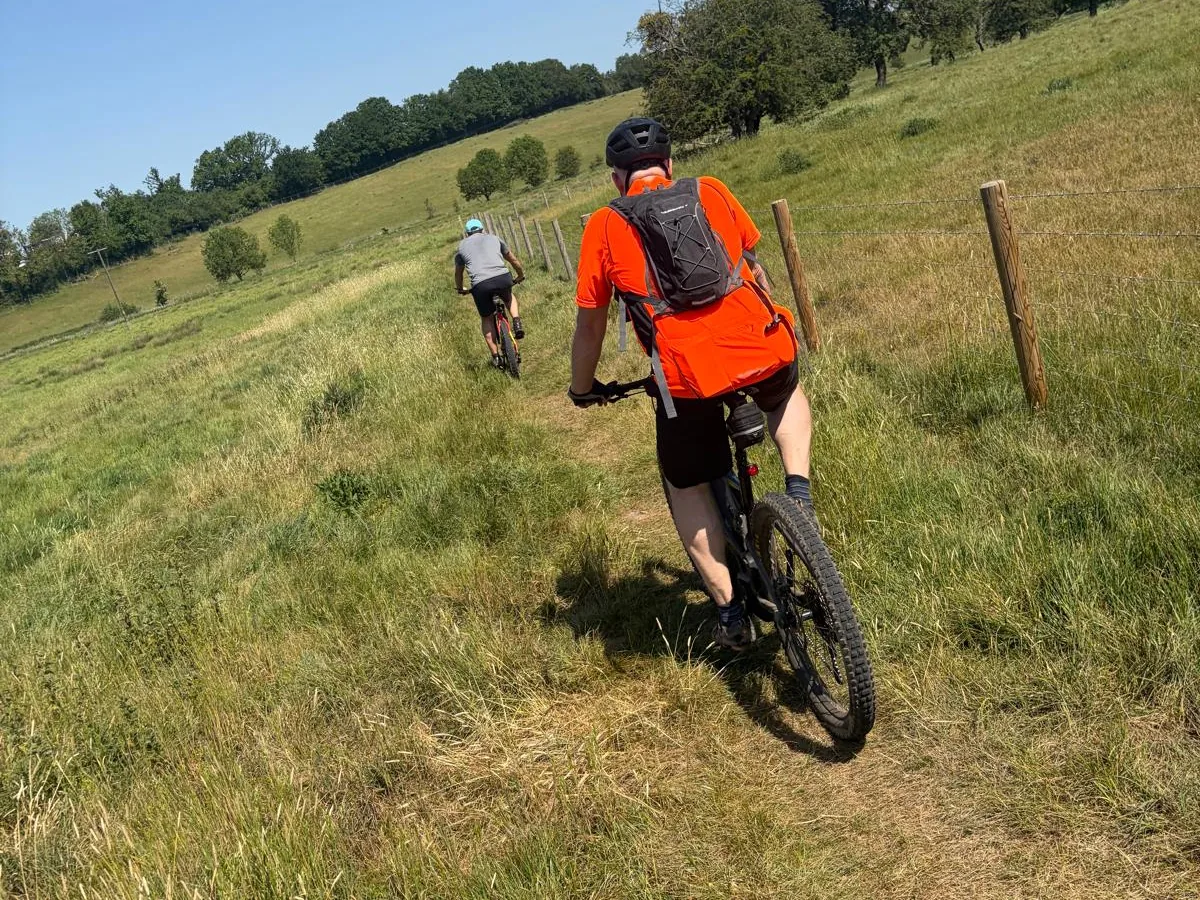
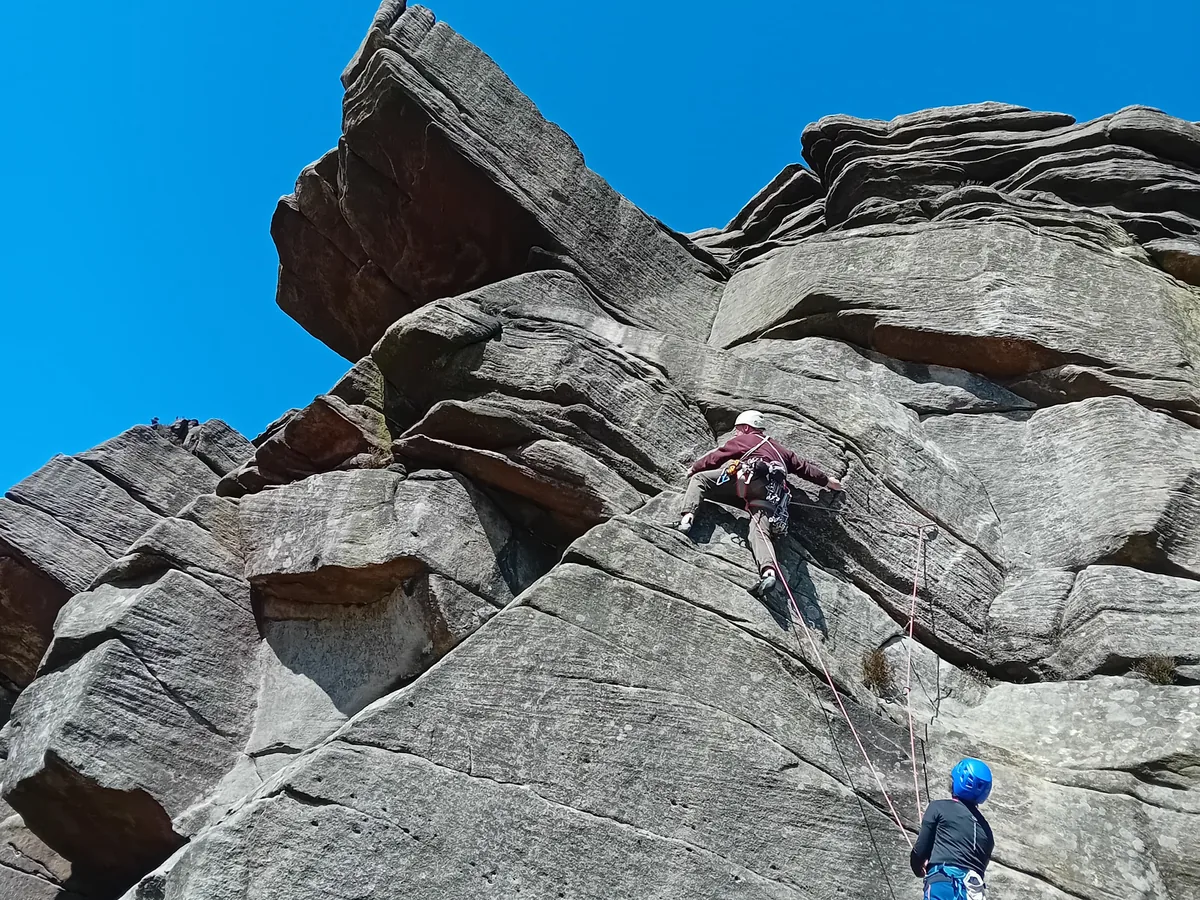
Mr Hussain's patients, back to what they love — photos sent in after hip resurfacing, shared with their permission.
Rather than memorising a date for every activity, place your sport by its demands. The pattern is simple: the less impact and the more control, the earlier it returns.
This patient group includes full-distance triathlon. For a first-hand account of the staged return at its most demanding, read Martin's road back to Ironman: a six-time finisher who held running back until month six and lines up at Ironman Copenhagen eighteen months after his resurfacing.
One advantage worth naming: the large-diameter bearing used in resurfacing is inherently stable, so the deep flexion and rotation that sports like climbing and yoga demand are far less of a concern than they would be after a conventional replacement. The restrictions you may have read about on hip replacement forums mostly do not apply here.
The right plan starts with your sport, your level, and your goal — not a generic protocol.
Discuss Your GoalA working rule patients find useful: soreness that appears with a new load and settles by the next morning is the hip adapting — hold the load steady for a week, then progress. Pain that lingers into the next day, changes your gait, or wakes you at night is a signal to step back a phase and, if it persists, to be reviewed. The hip will tell you; the skill is listening before it has to shout.
Two honest caveats belong in any realistic guide. A minority of patients never quite return to their previous level — usually because the fitness lost to years of arthritis rebuilds more slowly than the hip itself heals, occasionally because of stiffness that needs targeted work. And sustained high-impact sport does ask more of any implant over the decades; for most patients the trade is well worth making, but it is a conversation to have openly in clinic, not a footnote to discover later.
Often, yes — and a structured beginners' programme such as a couch-to-5k, started in phase 4 with your physiotherapist's input, is exactly the right shape: gradual, interval-based, and progression-gated. Many patients run their first ever 5k on a resurfaced hip.
Start soft and predictable: treadmill or even grass for the first intervals, trail as confidence builds, road last. The surface matters most early on; by phase 4 a well-conditioned hip handles all three, and variety becomes a virtue rather than a risk.
Load and wear are related, but the published long-term experience of resurfacing patients in high-impact sport is reassuring, and runners are well represented in it. The honest framing: running adds a modest cost in wear and buys back the life you had the operation for. For a broader, study-by-study review of sport after resurfacing, see Mr Hussain's evidence guide on returning to sport.
Which sport, what level, and what would success look like a year from now? Those answers shape the operation, the implant and the rehabilitation plan. Bring them to a consultation at one of three Birmingham hospitals — and if resurfacing is not the right road back, you will be told so plainly.
Book a Consultation